Drive-Thru Tech in Riyadh & Smart Queues in Islamabad
Two very different cities are solving the same underlying problem in 2026. In Riyadh, quick-service restaurants are racing to install faster, smarter lanes, with an HME Drive Thru in Riyadh setup becoming the default choice for chains that can’t afford a slow lane during peak hours. In Islamabad, government offices, banks, and telecom retail counters are tackling the walk-in version of the same issue — long, disorganized lines that frustrate customers and overwhelm staff.
Both problems come down to the same fix: structured queuing, clear communication to the customer, and data that lets a manager see what’s actually happening in real time instead of guessing from the length of the line.
Why Riyadh’s Drive-Thru Boom Is Accelerating in 2026
Saudi Arabia’s quick-service restaurant sector has expanded rapidly over the past few years, and drive-thru lanes carry a disproportionate share of that growth because they let a single location serve far more customers per hour than a dine-in-only format. The catch is that a slow or confusing drive-thru does more damage to a brand than a slow dine-in experience, because the customer is sitting in a visible line of cars the whole time.
That visibility is exactly why operators have gotten serious about the technology behind the headset order station, the timer displays, and the kitchen-to-window handoff. A lane that consistently clears cars in under three minutes keeps the line moving and keeps new customers from simply driving past when they see a backup.
What an HME Drive Thru in Riyadh Setup Actually Includes
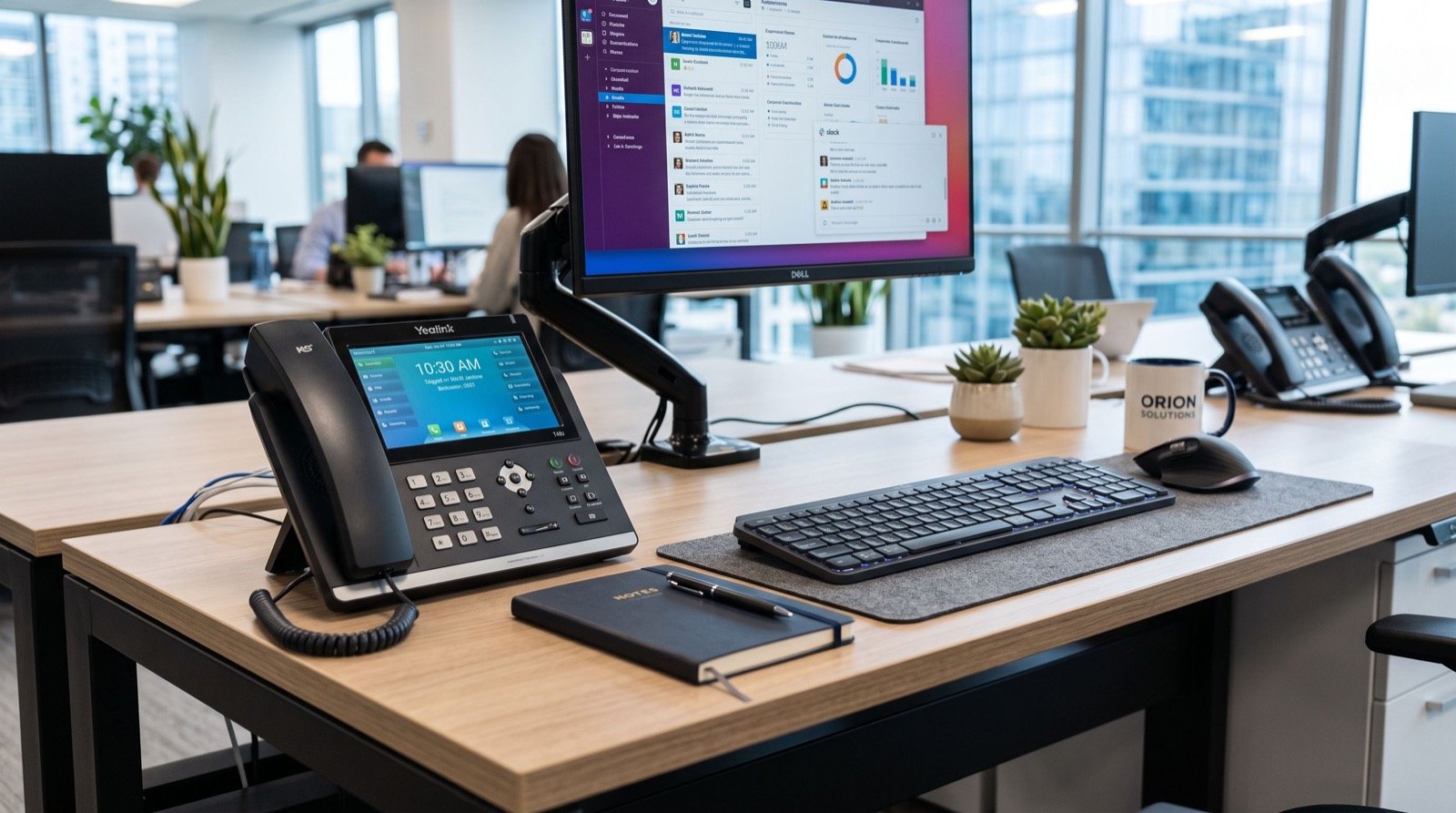
These systems are built specifically for the noise and pace of a drive-thru lane, which is a very different environment from a quiet office. The order-taker headset has to cut through engine noise, drive-up speakers, and kitchen chatter, while the timer system tracks exactly how long each car sits at each stage of the lane.
Typical Components in a Modern Lane
- Digital menu board synced to live inventory and pricing
- Noise-cancelling headset system for order-takers and cooks
- Lane timer displays tracking order-to-window time per car
- Vehicle detection loops that trigger the greeting automatically
- Manager dashboard showing average lane time across all day-parts
The timer data alone changes behavior on the floor. Once a team can see that the average time jumps every day between 12:30 and 1:15, they can schedule an extra staff member for that window instead of discovering the slowdown from customer complaints a week later.
Meanwhile in Islamabad: Queue Management as a Government and Retail Priority
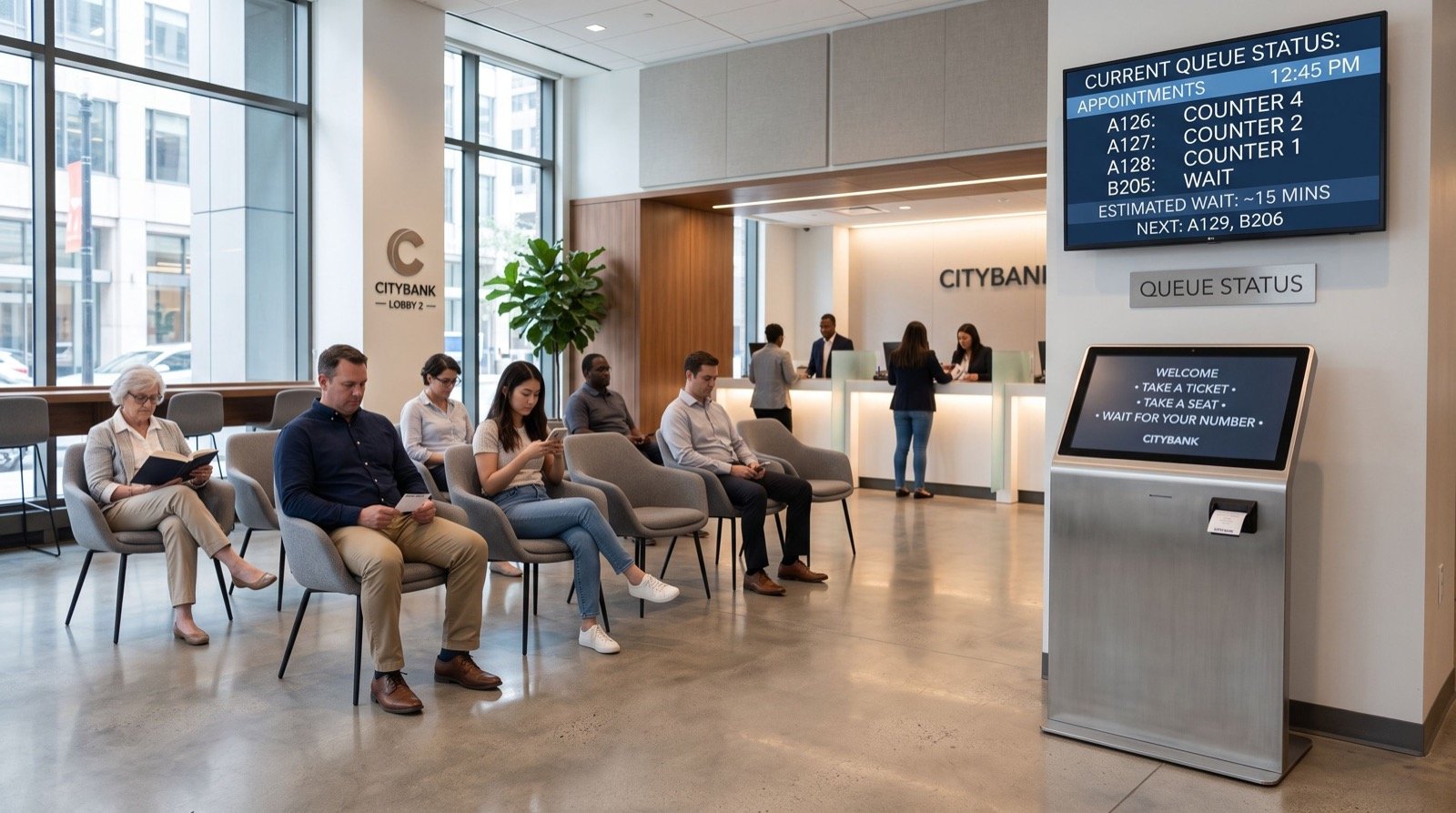
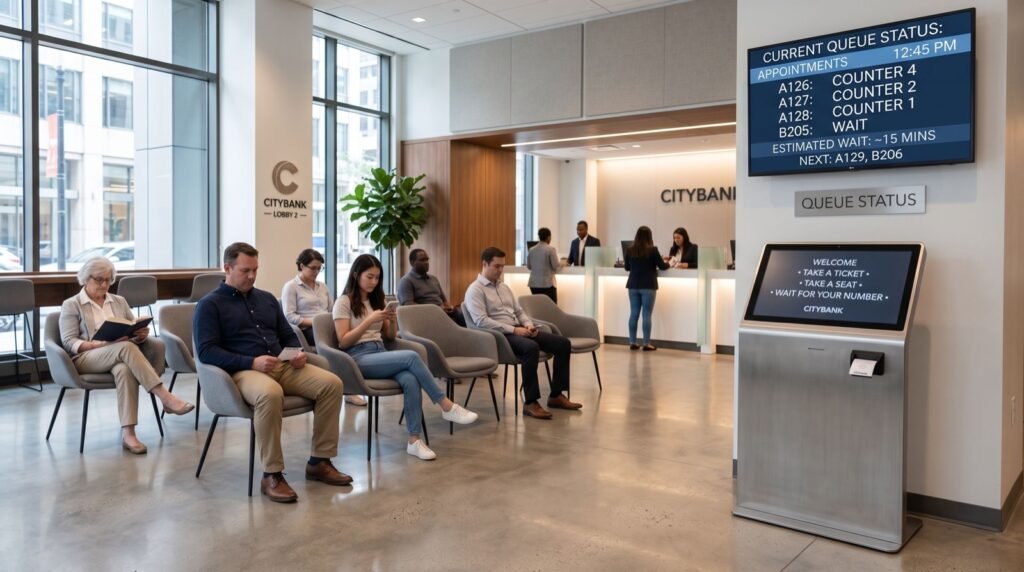
Islamabad doesn’t have the same drive-thru culture, but it has an equally pressing version of the queuing problem inside its banks, utility offices, and telecom retail counters. A queue management system in islamabad solves this by replacing the first-come scrum at the counter with numbered tickets, service-specific lines, and a display showing who’s next — the same underlying logic as the drive-thru lane, just applied to people on foot instead of cars.
Government service centers in particular have come under pressure to show measurable improvements in average wait time this year, and a digital system is the only practical way to produce that data consistently across dozens of counters and locations.
What Do Drive-Thru Lanes and Walk-In Queues Actually Have in Common?
More than it first appears. Both are fundamentally about managing a sequence of arrivals against a limited number of service points, and both fail in the same way when nobody is tracking the data behind them.
| Factor | Drive-Thru Lane (Riyadh) | Walk-In Queue (Islamabad) |
|---|---|---|
| Arrival signal | Vehicle detection loop | Ticket kiosk or QR check-in |
| Service bottleneck | Order-to-window time | Counter processing time per customer |
| Customer feedback loop | Visible car line length | Digital wait-time display |
| Main 2026 upgrade | Headset + timer analytics | Multi-branch dashboard reporting |
Why New Developments Need This Infrastructure From Day One
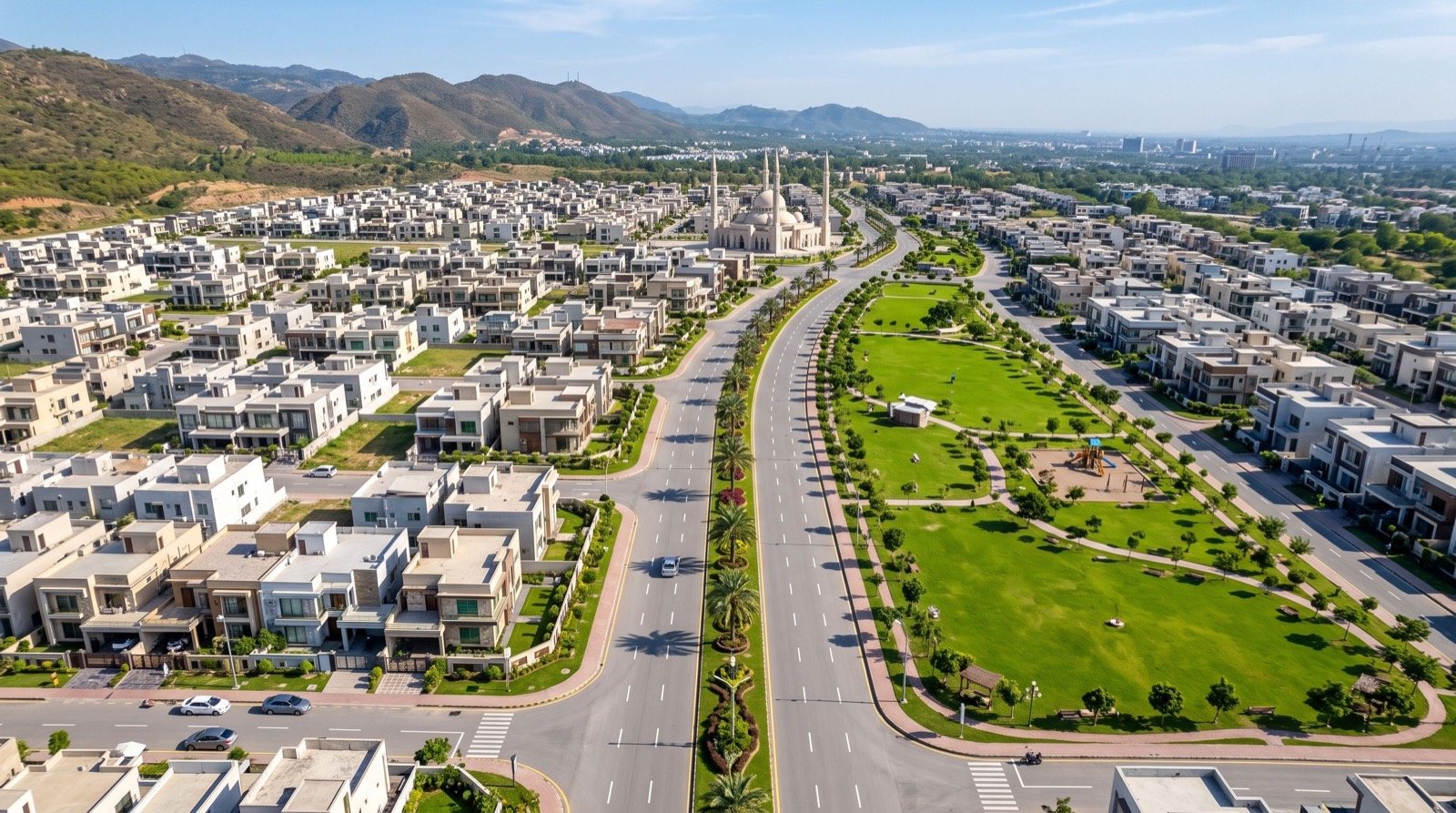
Islamabad’s newer mixed-use developments are a good example of why planning for queue infrastructure early matters. Commercial plazas built inside large residential schemes now typically include bank branches, telecom retail outlets, and quick-service restaurants from the opening day, and all three need a queuing strategy before the doors open rather than as a reactive fix six months later.
Buyers and investors scoping out these projects often start by researching the development itself — a quality service providers guide to Islamabad’s housing societies is a useful starting point for understanding which schemes are building out this kind of commercial infrastructure properly versus which are leaving it as an afterthought.
Budgeting for Either Project in 2026
Operators weighing an HME-style drive-thru upgrade against a walk-in queue rollout often assume the drive-thru side is automatically more expensive, since it involves more specialized hardware. In practice, the total cost usually comes down to the number of lanes or counters involved rather than which category of technology it is.
- A single drive-thru lane upgrade, including headsets and a timer display, typically falls in a mid four-figure to low five-figure USD range depending on existing wiring.
- A single-counter walk-in queue kiosk setup is often cheaper per unit, but costs scale quickly once a site needs five or six service counters feeding one dashboard.
- Both categories carry an ongoing software or support fee, usually billed monthly or annually, which should be budgeted separately from the one-time hardware cost.
Getting a written breakdown of hardware versus recurring software costs before signing is the single easiest way to avoid a budget surprise six months into the contract.
Frequently Asked Questions
Does a drive-thru really need a dedicated timer system, or is a stopwatch enough?
A dedicated system logs every car automatically and breaks the data down by day-part and staff shift, which a manual stopwatch simply can’t do consistently across hundreds of transactions a day.
How long does it take to install a queue management system in a government office?
A single-counter installation typically takes one to two weeks including staff training, though offices with many service types and complex routing rules can take four to six weeks for a full rollout.
Can the same vendor supply both drive-thru and walk-in queue technology?
Some vendors specialize in one or the other because the hardware differs significantly, though the underlying software logic — tracking arrivals, service time, and reporting — is often similar enough that larger providers offer both.
What’s a realistic target lane time for a drive-thru in 2026?
Leading quick-service chains now target under 180 seconds from order to window during peak hours, though this varies by menu complexity and kitchen layout.
Final Thoughts
According to the National Restaurant Association’s State of the Industry research, technology investment focused on speed of service remains one of the top priorities for quick-service operators going into 2026 — and that pressure applies just as much to a walk-in counter in Islamabad as it does to a drive-thru lane in Riyadh. Whether you’re managing cars or customers on foot, the fix is the same: track the data, remove the guesswork, and fix the bottleneck the numbers actually point to.